 Budapest to Belgrade by Train (2026): The New High-Speed Line, Tickets, Stations
Updated October 5, 2026
Direct trains between Budapest and Belgrade are about to return on a fully rebuilt line, cutting the trip to around 3 hours 15 minutes. The final full-load tests on the Hungarian section ran on October 3 and 4, 2026, and officials expect passenger service to follow within weeks.
As of October 5, 2026 the through service has not started yet. This guide covers the latest confirmed status, the stations in both capitals, the Novi Sad segment already running at 200 km/h, where tickets will be sold, and what happens at the border, Serbia sits outside the EU and Schengen.

6 min read
The short version
- Not open to passengers yet as of October 5, 2026. The Hungarian section passed its final full-load tests on October 3 and 4, 2026, and Serbian officials have said trains could start two to three weeks after successful testing. No official launch date has been announced.
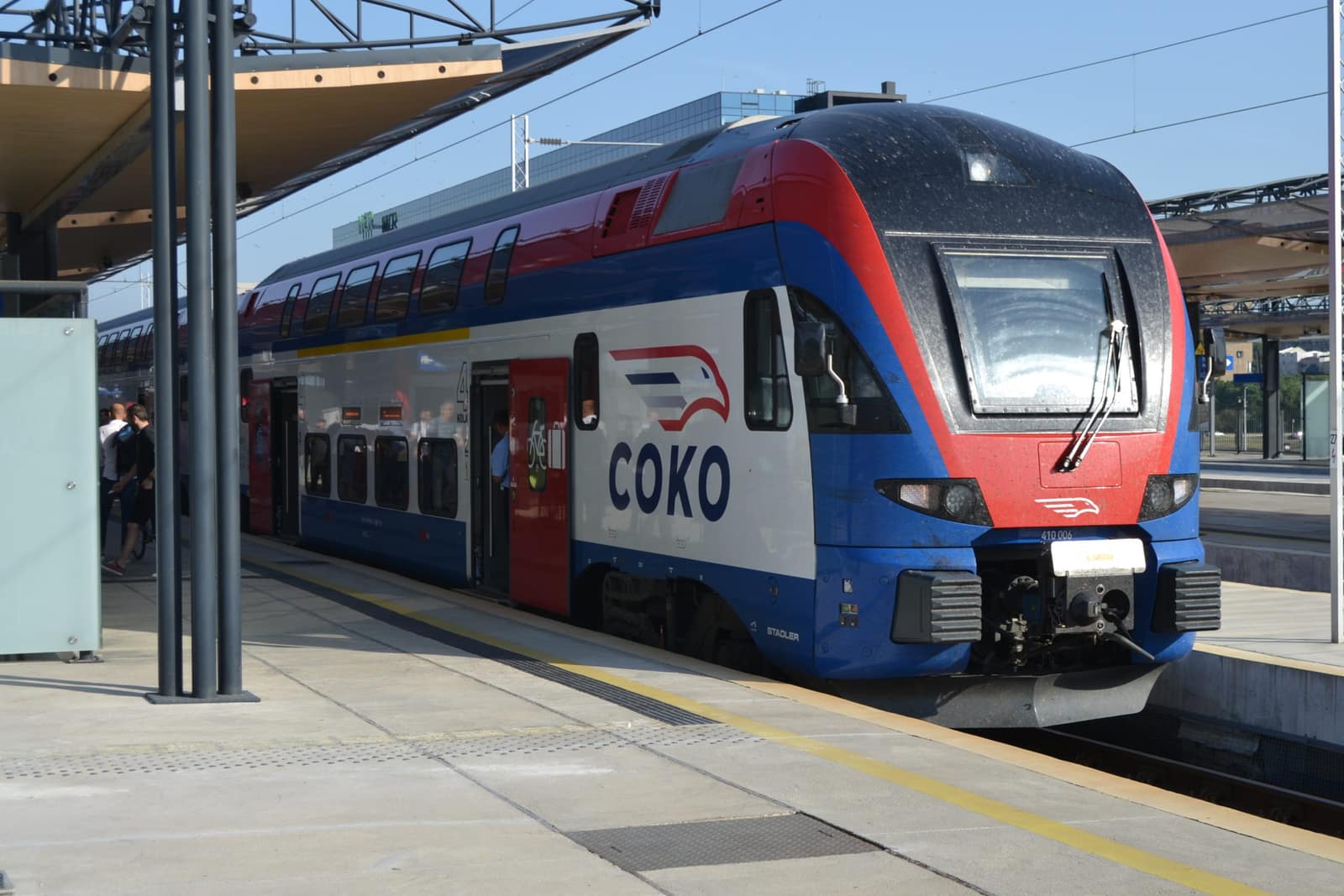
- Around 3 hours 15 minutes capital to capital once the direct service starts, with Serbian Soko trains running at up to 200 km/h south of the border and 160 km/h in Hungary. Belgrade to Novi Sad already takes 36 minutes.
- Tickets will be sold by MAV in Hungary and Srbija Voz in Serbia. Until launch, MAV sells a through connection via Szeged and Subotica from around 26 euros, taking 8 to 9 hours.
- Serbia is outside the EU and Schengen, so bring your passport and expect border checks. EU roaming plans stop working at the Serbian border, so sort out mobile data for Serbia separately.
Launch status: tests done, no date yet
The Budapest-Belgrade railway has been rebuilt end to end: 160 km/h double track from Budapest to the border at Kelebia, and a 200 km/h line from Subotica through Novi Sad to Belgrade. The Serbian side is finished and carrying passengers; the Hungarian side is what everyone is waiting on.
The last big hurdle was cleared on October 3 and 4, 2026, when the Hungarian section ran simulated full-load tests with trains at up to 160 km/h and no passengers. Serbian officials have said the through service could start two to three weeks after successful tests, which points to late October or November 2026.
Several earlier target dates in 2026 came and went, mostly over harmonizing signalling and safety systems between the two railways. Treat any date as provisional until MAV and Srbija Voz publish timetables; we will update this page as soon as the launch is confirmed.
The new line and the Soko trains
The route runs roughly 350 km from Budapest down the Great Hungarian Plain, crosses the border at Kelebia, and continues via Subotica and Novi Sad to Belgrade. Before the rebuild, the old line was so slow that direct trains took around eight hours.
The Serbian section already runs
Belgrade to Novi Sad opened in March 2022 and takes 36 minutes; Novi Sad to Subotica followed on October 8, 2025. Soko trains, Stadler-built double-deckers, cover Belgrade to Subotica in 1 hour 19 minutes at up to 200 km/h.
The Hungarian section is built, not yet open
The 152 km from Budapest to Kelebia on the Serbian border has been rebuilt as 160 km/h double track. Freight trains have used it since February 2026; passenger service waits on final certification and safety approval.
Why the line took this long
It is the flagship Belt and Road rail project in Europe, financed largely with Chinese loans, and the final stretch has been about paperwork rather than concrete: aligning the signalling and safety certification of two national railways.
Stations: Budapest, Novi Sad, Belgrade
In Budapest, direct trains are planned from Budapest Keleti, the city's main international terminus, on metro lines M2 and M4. Today's interim connection leaves from Budapest Nyugati instead, so double-check your departure station until the direct service settles in.
Novi Sad, Serbia's second city and the gateway to Fruška Gora and the Exit festival, is the headline stop on the Serbian section. Soko trains put it 36 minutes from Belgrade, and through trains from Budapest are set to call here.
In Belgrade, all long-distance trains use Beograd Centar, known locally as Prokop, south of the center; the old station by the river closed in 2018. Trains also call at Subotica, the first stop on the Serbian side, and Kelebia, the last on the Hungarian side.
Tickets, and the route that runs today
Once the through service starts, tickets will be sold by both national operators: MAV in Hungary, online at jegy.mav.hu and in the MAV app, and Srbija Voz in Serbia. Soko services carry compulsory seat reservations, and fares for the direct trains have not been published yet.
Until launch, the practical rail route is a three-train connection: an InterCity from Budapest Nyugati to Szeged, a local train across the border to Subotica, and a Soko on to Belgrade. MAV sells it as a through ticket from around 26 euros, and the full trip takes 8 to 9 hours.
No fare for the direct high-speed trains has been announced by either railway. Any price you see quoted for the new service before MAV or Srbija Voz publish it is a guess.
Border and passports: Serbia is outside the EU
Serbia is not in the EU and not in Schengen, so this is a real border with passport control in both directions. Most travelers need a passport; EU citizens can enter Serbia with a national ID card for short stays, and visa rules depend on your nationality.
For the direct trains, Hungary and Serbia plan joint passport and customs checks at Kelebia, the last station on the Hungarian side, with about 30 minutes budgeted per train. On today's interim route, officers board during the Szeged to Subotica leg.
Crossing into Serbia is an exit from the Schengen area, so non-EU visitors get exit and entry stamps and their days in Serbia do not count against the Schengen 90/180 limit.
Staying online: roaming and eSIM
The Hungarian half of the trip is standard EU territory, so an EU SIM or roaming plan works to the border. Serbia is outside the EU roaming zone: most European plans either exclude it or charge steep per-megabyte rates the moment the train crosses at Kelebia.
That matters on this trip, because timetables, platform changes, taxi apps in Belgrade and your tickets all live on your phone, and the first hours in a new country are exactly when you need them.
A Serbia eSIM installed before you board covers the Serbian half of the ride without roaming charges. Coming from outside Europe, a Europe eSIM handles Hungary and the rest of the EU leg; add the Serbia eSIM for the days south of the border.
 Get a Europe eSIM
Frequently asked questions
Is the Budapest to Belgrade high-speed train running yet?
Not yet as of October 5, 2026. The final tests on the Hungarian section ran on October 3 and 4, 2026, and officials have pointed to a start two to three weeks after successful testing. No launch date is confirmed.
How long will the train from Budapest to Belgrade take?
Around 3 hours 15 minutes capital to capital once the direct service starts, against 8 to 9 hours on today's interim connection via Szeged and Subotica.
Which stations do the trains use?
Budapest Keleti in Hungary and Beograd Centar (Prokop) in Belgrade, with stops including Kelebia, Subotica and Novi Sad. The interim connection currently departs from Budapest Nyugati.
Where can I buy tickets for the Budapest to Belgrade train?
From MAV at jegy.mav.hu or in the MAV app, and from Srbija Voz in Serbia. Fares for the direct trains are not published yet; the current interim through ticket starts around 26 euros.
Can I ride part of the new line already?
Yes. Soko trains run Belgrade to Novi Sad in 36 minutes and Belgrade to Subotica in 1 hour 19 minutes, at up to 200 km/h. The Serbian section has been in service since March 2022 to Novi Sad and October 2025 to Subotica.
Do I need a passport for the train to Belgrade?
Serbia is outside the EU and Schengen, so there are border checks on every crossing. Most travelers need a passport; EU citizens can enter Serbia with a national ID card for short stays. Visa rules depend on your nationality.
Will my EU roaming plan work on the trip?
Only to the border. Serbia is not part of the EU roam-like-at-home zone, so most European plans charge extra there. A Serbia eSIM installed before the trip keeps data working from Subotica to Belgrade.
Taking the new train? Stay connected on both sides of the border
Launch news, timetables and platform changes will all land on your phone, and the Serbian half of the ride sits outside EU roaming. Install an eSIMPal eSIM before you travel and keep data working from Budapest Keleti to Beograd Centar, with no roaming bill and no SIM kiosk hunt.
Last updated October 5, 2026, before the passenger launch. Based on reporting on the October 3-4, 2026 full-load tests of the Hungarian section, statements by Hungarian and Serbian officials, services already published by MAV and Srbija Voz, and the Man in Seat 61's route guide. Things change fast around a launch, so check jegy.mav.hu and srbijavoz.rs for live timetables before you travel.